As one traverses the urban landscape of Wolverhampton, nestled in the heartland of the United Kingdom, it’s impossible not to notice the prevalence of architectural extensions. These are not just random add-ons or afterthoughts; they represent a significant aspect of Wolverhampton’s urban planning strategy, serving as a rich testament to the city’s evolution through the ages. This article seeks to unpack the phenomenon of architectural extensions in Wolverhampton, reflecting upon their impacts and significance within the broader architectural and urban context.
Shedding Light on Wolverhampton’s Architectural Extensions
Architectural extensions in Wolverhampton exhibit an amalgamation of the old and the new. These are essentially add-on structures that have been tastefully integrated into existing buildings, providing extended features and functionalities. They form a vital part of residential, commercial, and public buildings, contributing to the unique aesthetic and functional character of the city’s built environment.
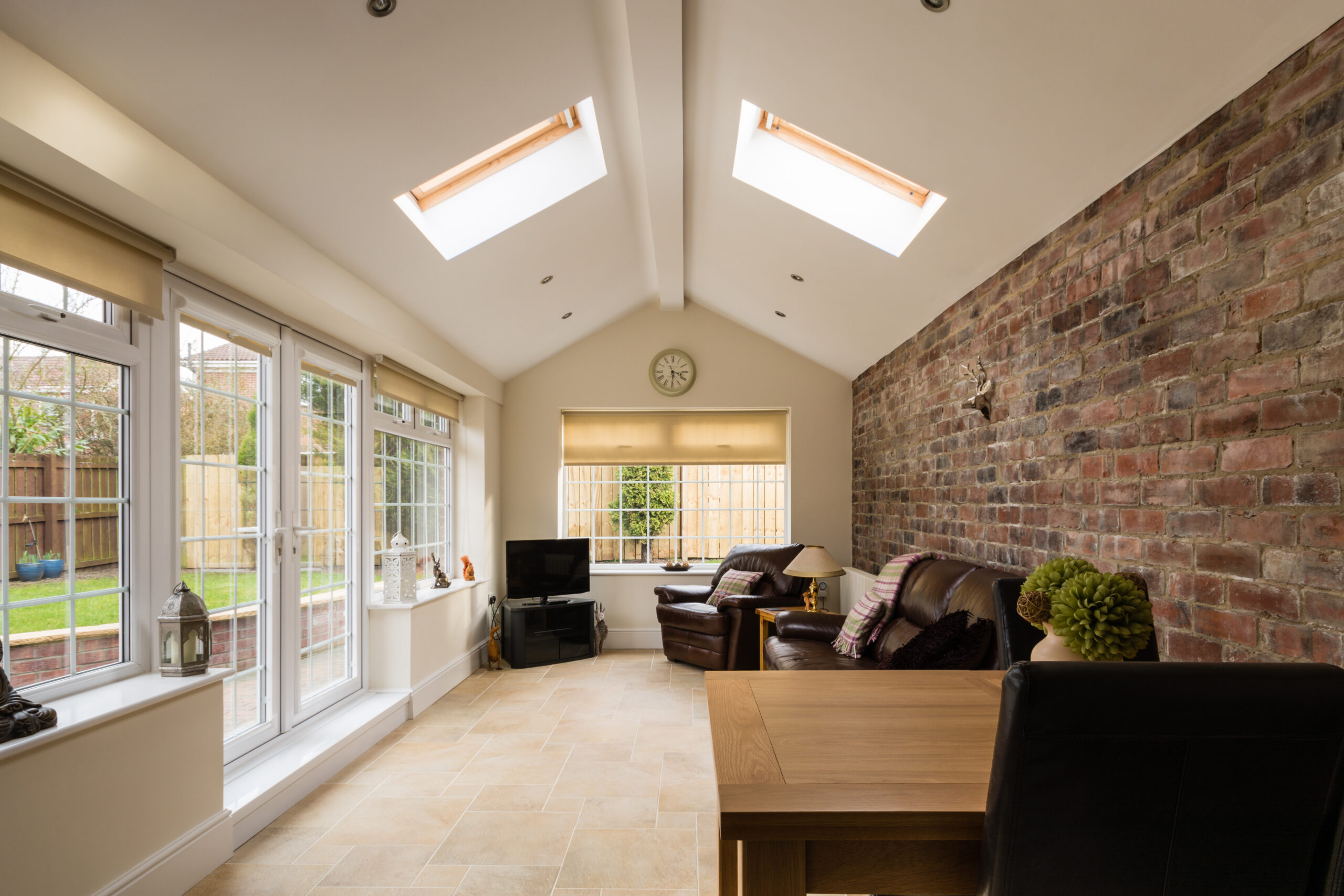
These extensions also represent Wolverhampton’s response to the ever-evolving needs and aspirations of its population. For instance, in residential properties, you might see Victorian cottages tastefully extended with modern glass conservatories, or mid-century houses expanded with innovative loft conversions. Each extension is not just a space-creating solution, but also a profound expression of the city’s architectural adaptability and resilience.
The Impact and Significance of Architectural Extensions in Wolverhampton
Architectural extensions in Wolverhampton have significantly influenced the city’s urban fabric. They have enabled effective utilisation of existing building stock, reducing the need for demolition and new construction, thus promoting sustainable development. Through clever designs and innovative use of materials, these extensions have also facilitated energy efficiency and environmental sustainability, aligning with the global push towards greener and smarter cities.
Moreover, these extensions play a pivotal role in preserving and propagating Wolverhampton’s rich architectural heritage. They allow for the integration of contemporary design elements with existing historical and architectural features, creating a seamless blend of the past and present. This ‘architecture of addition’ underscores the city’s commitment to acknowledging its history while simultaneously embracing modernity and progress.
In summary, architectural extensions in Wolverhampton function as more than mere physical expansions of buildings. They serve as a mirror reflecting the city’s socio-cultural evolution, its architectural ingenuity, and its commitment to sustainable urban development. As such, they offer valuable lessons for other cities across the globe, demonstrating how architectural innovation can be harmoniously melded with historical preservation and environmental sustainability. Wolverhampton’s architectural extensions thus stand as an exemplary testament to the city’s dynamic urban narrative and its forward-looking ethos.